


Introduction
Starting farm work in Europe can be an amazing opportunity — but many international candidates struggle in the first weeks not because they lack motivation, but because they’re not prepared for the real rhythm of the job. Long shifts, strict safety rules, unfamiliar lodging routines, and basic language barriers can quickly turn a good plan into a stressful experience for international farm workers. That gap between expectations vs reality is exactly why some people quit early when working on farms abroad.
This guide gives you a clear step-by-step plan plus a practical checklist — so you can arrive organized, confident, and ready to perform from day one.
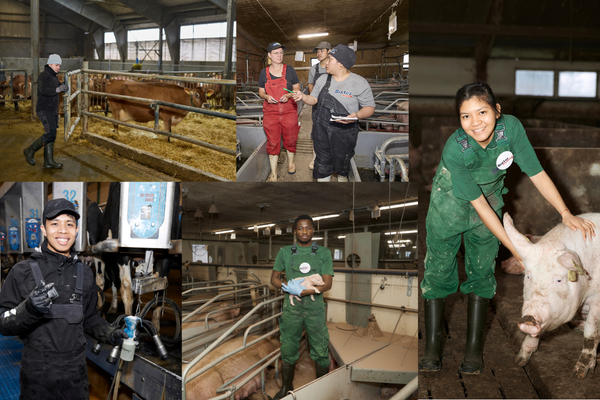
Understanding European Farm Expectations: What Employers Really Look For
European farms aren’t all the same. Before you apply for jobs for international candidates, it helps to understand what type of farm you’re going to — because daily tasks, schedules, and living arrangement details vary a lot.
Many employers and companies recruiting international candidates hire for:
-
Livestock & dairy (milking routines, feeding, cleaning, animal welfare checks)
-
Poultry (biosecurity, hygiene, repetitive processes, temperature control)
-
Horticulture & greenhouses (planting, sorting, packaging, climate-controlled environments)
-
Field crops & harvest work (seasonal intensity, outdoor physical work, weather changes)
-
Organic / eco-friendly farms (more manual processes, strict standards, careful handling)
What do employers usually evaluate first in agricultural farm work? Not “perfect experience,” but your reliability and readiness to follow standards:
-
Reliability & discipline (show up on time, consistent performance)
-
Safety mindset (you follow rules even when you’re tired)
-
Readiness to learn (you accept feedback, adjust fast)
-
Stamina & routine tolerance (repetitive tasks + steady pace)
-
Basic communication (simple phrases, understanding instructions)
Typical day-to-day tasks you may face in farm work in Europe include:
-
Preparing/cleaning work areas and tools
-
Sorting, grading, and packing produce
-
Feeding animals, cleaning stalls, routine checks
-
Basic field work (planting, weeding, harvesting)
-
Following hygiene and safety procedures (SOPs)
If you align expectations early, you reduce first-week stress and become the kind of worker farms want to keep — sometimes even for long-term cooperation after a strong first season.
Documents, visas, and legal basics (what to prepare in advance)
Paperwork is where delays happen most often. The goal is simple: reduce chaos and create a “ready-to-depart” folder you can access anytime — especially if you’re traveling through an exchange route, a traineeship, or a direct employer arrangement.
Core documents checklist (general guidance)
Prepare these in advance (exact requirements vary by country and employer):
-
Valid passport (check expiration date and blank pages)
-
Signed contract/offer (and a copy)
-
Visa documents and any required forms (where applicable)
-
Insurance documents (if relevant for your route/program)
-
Proof of housing / lodging or address confirmation
-
Coordinator / HR contact details (phone, email, emergency contact)
-
Copies of IDs, certificates, and any required paperwork for documentation checks
Tip: make digital copies (cloud + email to yourself) and keep key contacts and addresses available offline on your phone.
Traineeship vs seasonal work — what’s the difference?
Many candidates search for traineeship jobs and ask what is traineeship and how it compares to seasonal roles.
In simple terms:
-
Seasonal work is usually task-focused and fast-paced, with minimal onboarding. You’re expected to adapt quickly and deliver during peak periods.
-
A traineeship programme (including a farm traineeship) is typically more structured: clearer training objectives, guided adaptation, and more support during the early stage.
Practical differences often include:
-
More onboarding and supervision
-
A learning plan (even if the work is still physical)
-
Clearer expectations and feedback loops
-
Better preparation for standard procedures and safety
If you’re new to work on farm in Europe, a traineeship-style pathway can reduce the “shock factor” in week one and help you settle into the routine faster.
Common mistakes that delay departure
Here are frequent issues that slow down documentation and travel planning:
-
Incorrect personal details (name spelling, passport number, address)
-
Missing deadlines or submitting forms too late
-
No copies of documents (only originals or scattered files)
-
Date confusion (start date, travel date, contract date mismatch)
-
Ignoring specific country/employer requirements
-
Missing proof of accommodation, lodging details, or coordinator contacts
Disclaimer: requirements vary by country — always double-check official sources and/or your coordinator.
Why EU-certified training helps candidates start faster and safer
When we talk about “EU-certified training” in this context, we mean structured farm work training aligned with common European workplace expectations — especially around safety, hygiene, and standard operating procedures (SOPs). It’s not about “big promises.” It’s about reducing risk and improving readiness.
Skills that matter on day one often include:
-
Safety basics: PPE use, hazard awareness, safe lifting
-
SOP fundamentals: following steps, checklists, reporting issues early
-
Hygiene standards: handwashing rules, contamination prevention
-
Basic animal handling (where relevant): calm movement, welfare basics
-
Tools/equipment basics: safe handling, cleaning, storage
-
Workplace communication: confirming instructions, asking for help early
A candidate who understands these basics usually adapts faster. Faster onboarding means fewer early mistakes, less stress, and better trust with supervisors. And on farms, trust matters — because mistakes can lead to injuries, spoiled product, or animal welfare problems. Good preparation helps you become a reliable team member from the first week.
If you’re aiming for agricultural work opportunities across Europe (and sometimes worldwide in the future), training helps you build habits that transfer between farms, roles, and seasons.
Language, culture, and practical readiness (the underrated part)
Documents get you across the border. But language, culture, and day-to-day readiness determine whether you succeed once you arrive.
Minimum language for a strong start
You don’t need perfect grammar — but you do need enough to:
-
Understand basic instructions (“stop,” “clean,” “move,” “wear gloves”)
-
Recognize safety signs and warnings
-
Confirm details (“Yes/No,” “I understand,” “Repeat please,” “Problem here”)
Even a small, practical vocabulary reduces mistakes and makes supervisors more confident in you.
Work culture — how farms operate
European farm teams often rely on:
-
Punctuality (start times are strict)
-
Clear rules (biosecurity, hygiene, safety routines)
-
Responsibility (you report issues immediately)
-
Feedback (direct corrections are normal — not personal)
If you accept feedback calmly and adjust fast, you’ll stand out — especially among international hires.
Practical prep most candidates underestimate
Before departure, make sure you’re ready for real conditions:
-
Physical readiness: walking/standing for hours, repetitive tasks, lifting safely
-
Financial buffer: a basic reserve for the first weeks (unexpected costs happen)
-
Clothing/footwear: work boots, weather layers, rain gear, durable basics
-
Routine discipline: sleep schedule, hydration, consistent performance
This is the part many people skip — and it’s exactly why some candidates struggle in their first month of farm work in Europe.
30-day pre-departure checklist + next step with Bixter Academy
Use this 4-week plan to stay organized and reduce last-minute stress before seasonal departure or a traineeship start.
Week 4: Documents & planning (30–22 days before)
-
Confirm contract/offer details and start date
-
Prepare passport + copies (digital + printed)
-
Collect accommodation address, lodging rules, and coordinator contacts
-
Check country-specific requirements, visa steps (if applicable), and deadlines
-
Plan travel route and backup options
-
Create a single “departure folder” (cloud + physical) for documentation
Week 3: Basic training & safety (21–15 days before)
-
Review PPE, safe lifting, and basic hazard rules
-
Learn SOP habits: checklists, reporting problems early
-
Understand hygiene basics (especially for food handling / processing tasks)
-
Practice common farm task vocabulary (tools, areas, actions)
-
Build a simple daily routine (sleep, hydration, stretching)
Week 2: Language & routines (14–8 days before)
-
Learn core phrases for instructions + safety commands
-
Practice “confirming” language (“I understood / repeat please”)
-
Review cultural basics: punctuality, feedback, responsibility
-
Prepare personal essentials (meds, documents, emergency contacts)
-
Check communication: SIM/eSIM, roaming, offline maps
Week 1: Packing & final confirmations (7–1 days before)
-
Pack workwear: boots, durable clothes, weather layers
-
Confirm arrival time, pickup details, housing/lodging instructions
-
Save key info offline: address, contacts, route screenshots
-
Double-check documents and copies (printed + digital)
-
Prepare emergency cash + bank access
-
Rest properly — don’t arrive exhausted
Bixter Academy supports international candidates through structured preparation and specialised courses for international farm workers — covering practical readiness, European work standards, and essential safety habits — so you can start faster and feel more confident in your first weeks (without unrealistic guarantees).
Explore courses, choose a structured traineeship route, or contact the Bixter team for further guidance.